
Abele Electrical Testing
Portable & Movable Definition
Portable Appliance Test
It is important to continue to carry out user checks on electrical equipment that has been tested. This is because portable appliance testing can only give an indication of the safety of an appliance at the time of the test and does not imply that the item will be safe for a further period of time.Portable and Movable Equipment
A portable or movable electric appliance is any item that can be moved, either connected or disconnected from an electrical supply. Portable or movable items generally have a lead (cable) and a plug. Portable and movable equipment includes the following: ■ electrical equipment that can be easily moved around, such as kettles, vacuum cleaners, floor polishers, portable heaters, fans, desk lamps, some TVs, radios, some small electric cookers, PC projectors, small appliances such as irons, hair dryers and kitchen equipment including food mixers, toasters etc; ■ larger items that could be moved (but only rarely), eg water chillers, fridges, microwaves, photocopiers, vending machines, washing machines, electric cookers, fax machines, desktop computers, electric beds etc are considered to be movable items; ■ hand-held items, such as hairdryers, that do not have a plug but have been wired in (or fixed) are still considered to be portable appliances, but large electrical items, such as water boilers that are wired in, are not portable appliances as they are not designed to be moved and would come under the scope of fixed installation maintenance; ■ mobile phone and other battery-charging equipment that is plugged into the mains (but the phones themselves and any other battery-operated equipment would not be included); and ■ extension leads, multi-way adaptors and connection leads. Earthed equipment and double insulated equipment When deciding whether to test electrical equipment, you need to consider the type of construction of the equipment in use. There are two basic types of electrical equipment construction – Class I (earthed) and Class II (double insulated). Earthed equipment For safety reasons, Class I equipment has an earth connection. If there is a fault within the equipment there is a possibility that the outside of the equipment could cause an electric shock if the earth connection is not there. As a result, it is recommended that Class I equipment has a portable appliance test to ensure the earth connection is sound. Double insulated equipment Class II equipment is sometimes referred to as ‘double insulated’ equipment. This means that there is extra insulation within the construction of the equipment to prevent accidental contact with live parts, even if there is a fault. Class II equipment does not need an earth connection to maintain safety. It will not need a portable appliance test, although you should ensure that user checks and visual inspections are carried out as the integrity of the equipment casing is a key safety feature.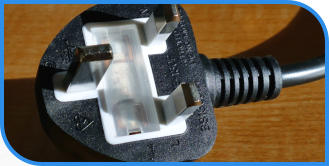

















Portable & Movable
Definition
Portable Appliance Test
It is important to continue to carry out user checks on electrical equipment that has been tested. This is because portable appliance testing can only give an indication of the safety of an appliance at the time of the test and does not imply that the item will be safe for a further period of time.Portable and Movable Equipment
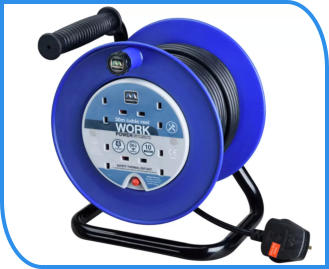
A portable or movable electric appliance is any item that can be moved, either connected or disconnected from an electrical supply. Portable or movable items generally have a lead (cable) and a plug. Portable and movable equipment includes the following: ■ electrical equipment that can be easily moved around, such as kettles, vacuum cleaners, floor polishers, portable heaters, fans, desk lamps, some TVs, radios, some small electric cookers, PC projectors, small appliances such as irons, hair dryers and kitchen equipment including food mixers, toasters etc; ■ larger items that could be moved (but only rarely), eg water chillers, fridges, microwaves, photocopiers, vending machines, washing machines, electric cookers, fax machines, desktop computers, electric beds etc are considered to be movable items; ■ hand-held items, such as hairdryers, that do not have a plug but have been wired in (or fixed) are still considered to be portable appliances, but large electrical items, such as water boilers that are wired in, are not portable appliances as they are not designed to be moved and would come under the scope of fixed installation maintenance; ■ mobile phone and other battery-charging equipment that is plugged into the mains (but the phones themselves and any other battery-operated equipment would not be included); and ■ extension leads, multi-way adaptors and connection leads. Earthed equipment and double insulated equipment When deciding whether to test electrical equipment, you need to consider the type of construction of the equipment in use. There are two basic types of electrical equipment construction – Class I (earthed) and Class II (double insulated). Earthed equipment For safety reasons, Class I equipment has an earth connection. If there is a fault within the equipment there is a possibility that the outside of the equipment could cause an electric shock if the earth connection is not there. As a result, it is recommended that Class I equipment has a portable appliance test to ensure the earth connection is sound. Double insulated equipment Class II equipment is sometimes referred to as ‘double insulated’ equipment. This means that there is extra insulation within the construction of the equipment to prevent accidental contact with live parts, even if there is a fault. Class II equipment does not need an earth connection to maintain safety. It will not need a portable appliance test, although you should ensure that user checks and visual inspections are carried out as the integrity of the equipment casing is a key safety feature.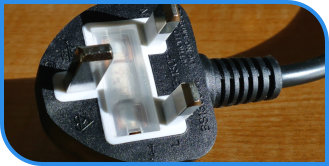
© Abele Electrical Testing
Abele Electrical Testing